Types of Koi Fish: A Visual Guide
Feb 24th 2025


Feb 24th 2025
Koi fish are grouped into varieties by color, pattern, scale type and fin shape. The best known are the Gosanke, or "big three": Kohaku (white with red), Taisho Sanke (white with red and black) and Showa (black with red and white). Other popular varieties include Tancho, Utsuri, Asagi, Shusui, Ogon, Chagoi and long-finned Butterfly koi. This guide describes 16 koi varieties and the markings that set each one apart, with photos of the most popular types. For a wall-sized reference, see our koi variety poster.
| Variety | Colors | How to identify it |
|---|---|---|
| Kohaku | White and red | Red (hi) pattern on a clean white body |
| Taisho Sanke | White, red, black | Kohaku pattern plus black spots; little or no black on the head |
| Showa | Black, red, white | Black base; black on the head and wrapping the body |
| Tancho | White and red | One round red spot on the head, no other red |
| Utsuri | Black plus white, red or yellow | Black body with one contrasting color |
| Asagi | Blue-gray, red or orange | Netted blue scales on the back, red on cheeks and fins |
| Shusui | Blue, red or orange | Scaleless Asagi with a line of dark scales along the back |
| Bekko | White, red or yellow plus black | Solid base color with small black spots on the back |
| Goshiki | Five colors | Red pattern over a dark, netted white, black and blue body |
| Koromo | White, red, blue or black | Kohaku-style red outlined in blue or black |
| Ogon | One metallic color | Solid gold, orange, yellow or platinum shine |
| Kujaku | Metallic white, red, orange | Metallic body with netted scales and a colored pattern |
| Chagoi | Brown to bronze | Solid earth-tone body; famously calm and friendly |
| Ochiba | Blue-gray and brown | Gray body with brown or orange patches |
| Kawarimono | Varies | Nonmetallic koi outside other groups, such as Karasugoi |
| Butterfly | Any color | Long, flowing fins and tail on any color pattern |
Video: Fitz's Fish Ponds presents The Art of Koi.
Koi varieties are named for their colors, the pattern those colors form, and their scale and fin type. A single fish can combine several of these traits. For example, a Doitsu Kohaku is a Kohaku pattern on a scaleless body, and a Gin Rin Showa is a Showa with reflective scales.
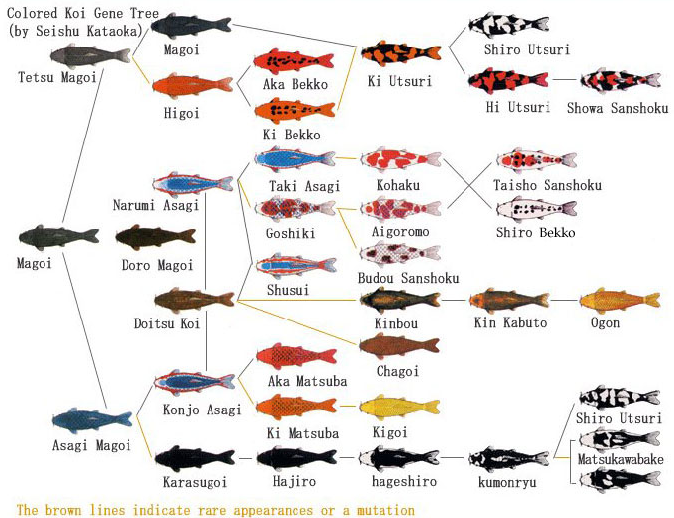
Koi colors include white, red, black, yellow, orange, blue and metallic gold or platinum. Some koi are a single solid color, while others carry patterns of two, three or more colors. Learn what each shade means in our koi colors and patterns guide.
Most koi have standard scales. Doitsu koi have few or no scales, usually with a row of larger scales along the back and sides. Gin Rin koi have reflective scales that catch the light, while metallic koi shine across the whole body. Learn more about Gin Rin koi.
Kohaku, Taisho Sanke and Showa Sanshoku are known together as the Gosanke. They are the varieties most koi keepers learn first, and they remain among the most respected at koi shows.
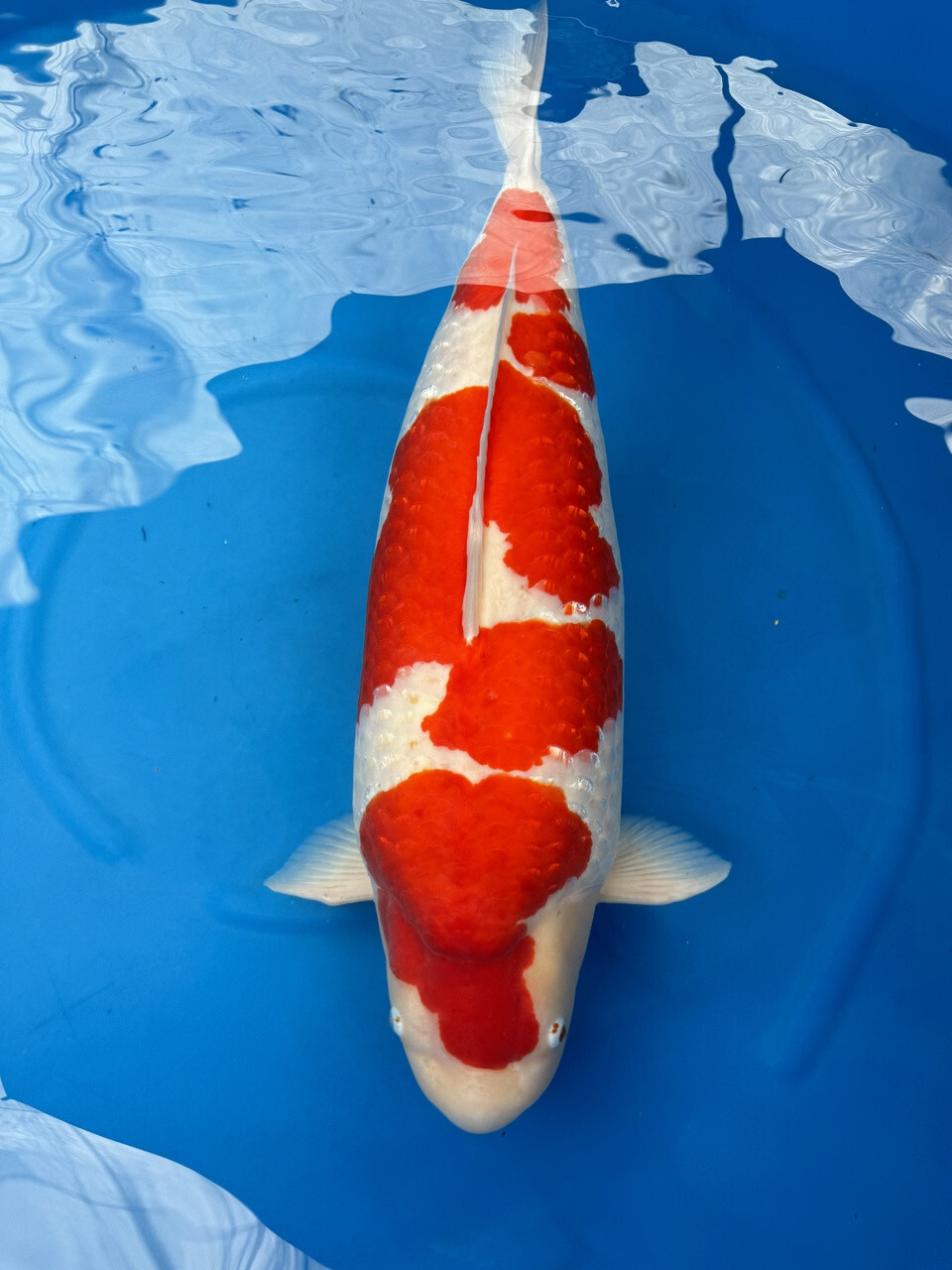
Kohaku koi have a white body with red markings, called hi. Look for bright, even red with crisp edges against clean white skin. Kohaku is often called the foundation of koi keeping, and many other varieties were developed from it. Learn more in our guide to Kohaku koi, or browse Kohaku koi.
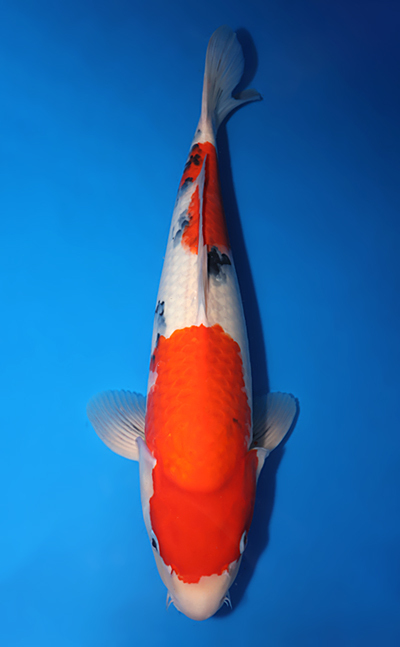
Taisho Sanke, usually shortened to Sanke, have a white body with red markings and black spots called sumi. The black sits mainly on the body, with little or none on the head. Sanke builds on the Kohaku pattern, so look for the same clean white and red with neat, balanced black. Browse Sanke koi.
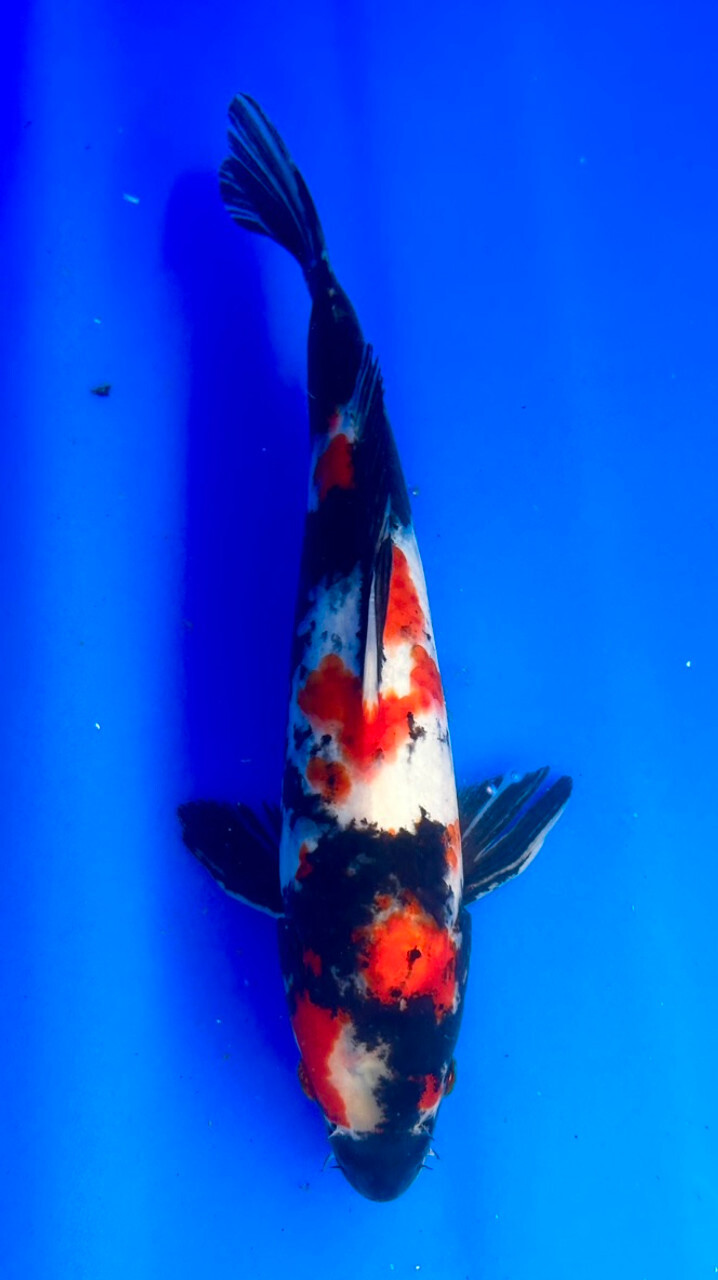
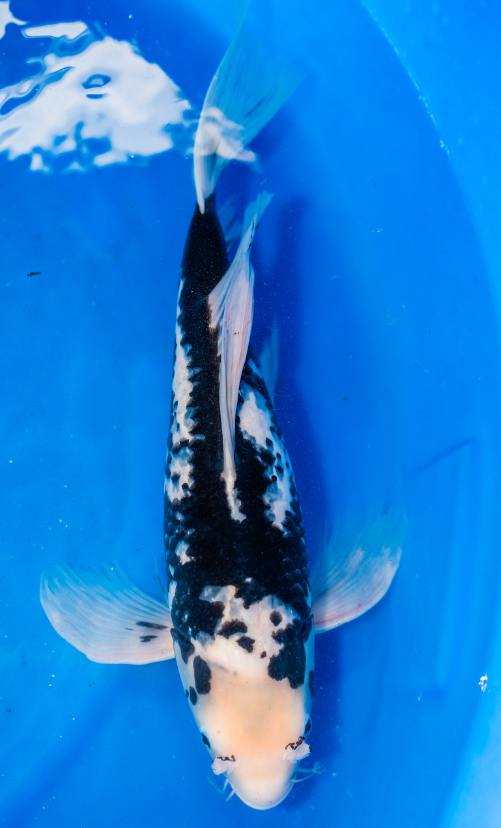
Showa koi have a black base with red and white markings. Black usually appears on the head and wraps around the body in bold bands, which is the quickest way to tell a Showa from a Sanke. Their strong contrast makes Showa one of the most striking varieties in a pond. Browse Showa koi.
Beyond the Gosanke, koi keepers recognize many more varieties. These are the ones you are most likely to see in a backyard pond or a koi dealer's tanks.
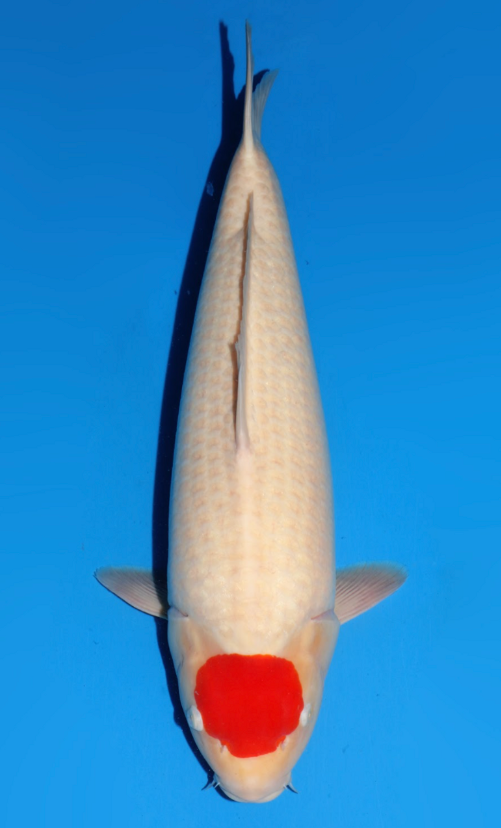
Tancho koi have a single round red patch on the head and no other red on the body. The name comes from the red-crowned crane of Japan. Tancho is a pattern rather than a separate variety, so you will see Tancho Kohaku, Tancho Sanke and Tancho Showa. Browse Tancho Kohaku koi.
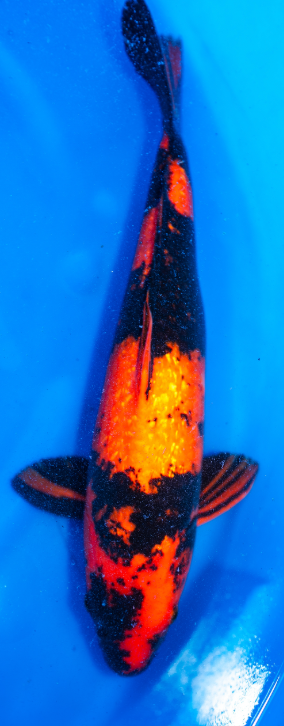
Utsuri koi have a black body with one contrasting color: white in Shiro Utsuri, red in Hi Utsuri and yellow in Ki Utsuri, the least commonly seen of the three. Like Showa, Utsuri usually carry black on the head. Browse Shiro Utsuri, Hi Utsuri and Ki Utsuri koi.
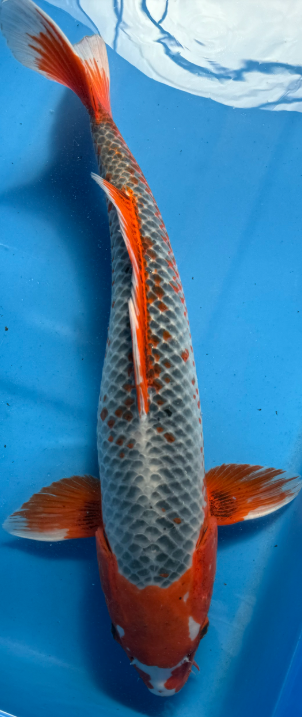
Asagi koi have blue-gray scales with a light net pattern across the back and red or orange on the cheeks, belly and fins. Asagi is one of the oldest koi varieties and an ancestor of many others. Browse Asagi koi.
Shusui are the Doitsu, or mostly scaleless, form of Asagi. Look for a clear blue back with a line of dark scales running along the top of the body and red or orange along the sides. Browse Shusui koi.
Bekko koi have a single base color of white, red or yellow with small black spots across the back. Shiro Bekko, white with black, is the form most keepers see first. Unlike Utsuri, Bekko usually have no black on the head. Browse Bekko koi.
Goshiki, meaning five colors, combine white, red, black, light blue and dark blue, giving the body a dark netted look behind the red pattern. Koromo, meaning robed, look like a Kohaku whose red areas are outlined in blue or black. Browse Goshiki koi.
Ogon koi are a single metallic color, such as gold, yellow, orange or platinum, and stand out clearly from a distance. They belong to the solid metallic group, while patterned metallic koi such as Kujaku form their own groups. Browse Ogon koi.
Kujaku koi have a metallic white body with red, orange or yellow patterns over a net of darker-edged scales. The name means peacock, a nod to their shimmering look. Browse Kujaku koi.
Chagoi are solid brown to bronze koi known for their calm, friendly nature, and they tend to grow large. Many learn to take food from their owner's hand. Ochiba have a blue-gray body with brown or orange patches, a pattern said to recall autumn leaves on water. Browse Chagoi and Ochiba koi.
Kawarimono is a catch-all group for nonmetallic koi that do not fit another category. It includes Chagoi and Ochiba as well as solid black Karasugoi, gray Soragoi and Kumonryu, a black and white Doitsu koi whose pattern can change over time.
Butterfly koi are defined by long, flowing fins and tails rather than a color pattern, so they appear in many colors, from metallic Ogon to Utsuri. Their fins give them a graceful look as they swim. Learn more in our introduction to butterfly koi, or browse butterfly koi.
There is no single best variety for a first pond. All koi are the same species, so their care needs are largely the same: clean, well-filtered water, room to grow and a balanced diet. Many first-time keepers start with the Gosanke, a Chagoi or a metallic Ogon because these fish are easy to recognize and widely bred. The health of each fish and the quality of the pond matter far more than the variety, so start by choosing active, healthy koi from a reputable source.
Video: The Fitz's Fish Ponds team takes on a large spring pond cleaning.
The right koi for your pond depends on its size, your filtration and how much maintenance you plan to do, not only on the variety you like best. Keep these points in mind before you buy:
Choose active fish with clear eyes, intact fins and no visible marks or sores, and buy from a reputable source. Mixing several varieties keeps the pond visually balanced. Learn what to look for in young koi.
Koi commonly reach 12 to 36 inches depending on genetics and pond conditions, so plan for adult size rather than the size you buy. Our guide to how much space koi need covers pond size and depth.
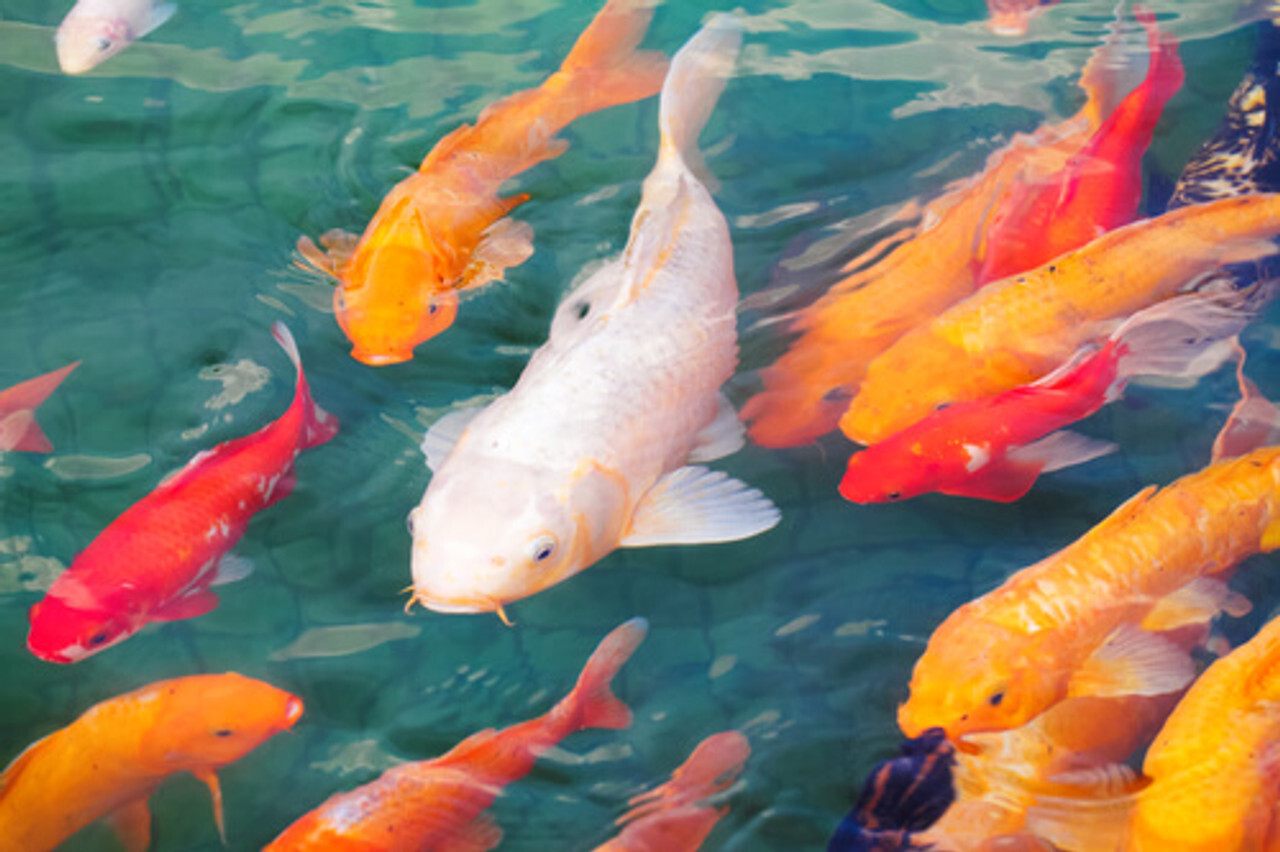
Regular testing and proper filtration keep koi healthy and their colors bright. See our koi pond water parameters guide for target ranges and testing tips.
Koi eat a quality pellet diet and can enjoy some vegetables and fruit as treats. Overfeeding harms water quality, so feed in moderation. Read more about what koi fish eat.
Video: Follow a Fitz's Fish Ponds koi pond build from first plans to the finished pond.
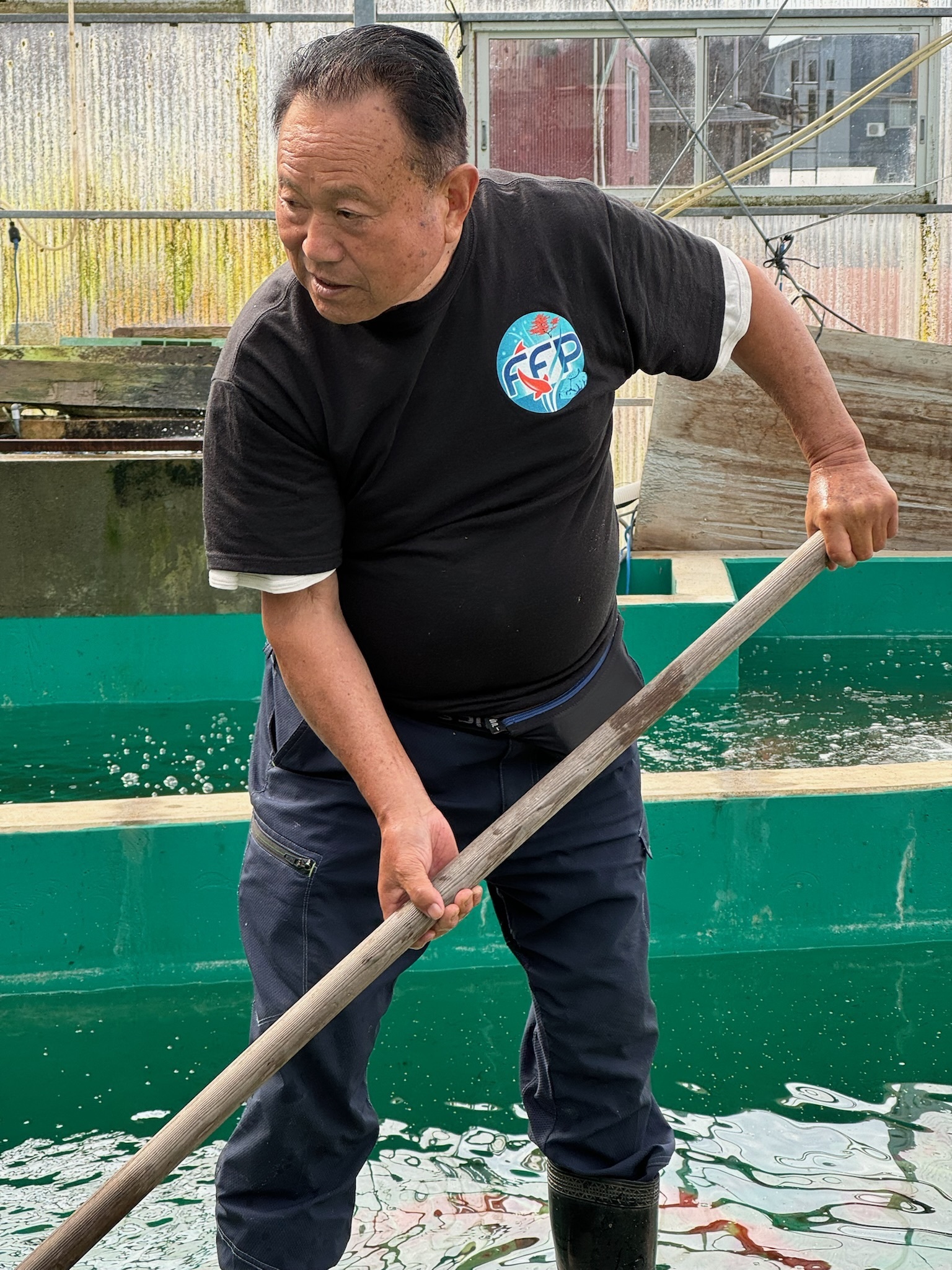
Koi descend from the common carp. Rice farmers in Japan's Niigata region began breeding carp with unusual coloring roughly 200 years ago, and selective breeding over generations produced the varieties known today. In Japan, koi are called nishikigoi, and they remain a symbol of perseverance and good fortune. Read more about the art of koi in Japan.
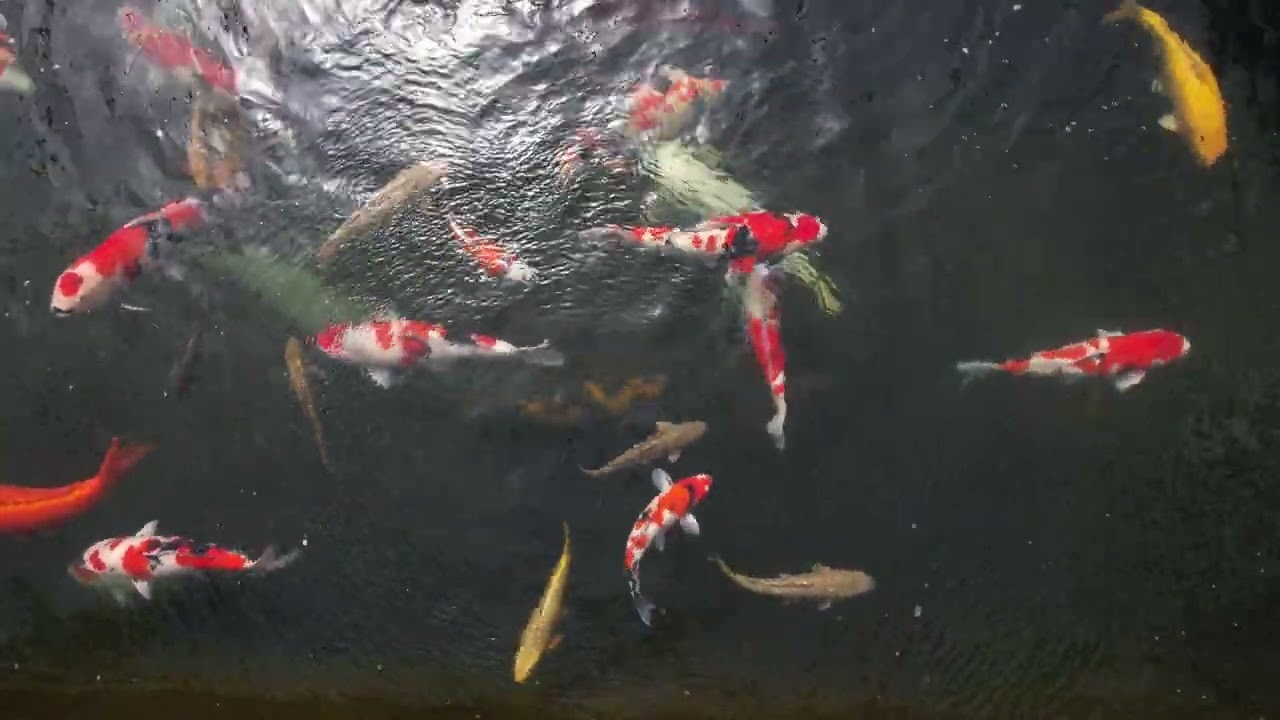
Koi are hardy pond fish that adapt to seasonal temperature changes in outdoor ponds. Many learn to recognize the people who feed them and come to the surface at feeding time. With good water quality and care, koi can live for decades, so many keepers build a collection over years and enjoy watching each fish's pattern develop as it grows. Learn more about how long koi live.
Kohaku, Sanke, Showa, Chagoi and Ogon are common first choices because they are easy to recognize and widely bred. Care needs are largely the same across varieties, so the health of the fish and the quality of the pond matter more than the variety.
Chagoi are known as one of the friendliest koi varieties and often learn to take food from their owner's hand. Many keepers add a Chagoi to help the rest of the pond grow comfortable around people.
Beauty is personal, but Kohaku, Showa and Tancho koi are among the most admired varieties, and the Gosanke are traditionally among the most celebrated koi at shows.
Koi are social and do best in groups. A commonly cited guideline is about one mature koi per 250 gallons of water, with more room preferred as fish grow. Our koi pond stocking guide covers planning for a new pond.
Both are tricolor koi. Sanke have a white base with red and black markings and little or no black on the head. Showa have a black base with red and white markings, and black usually appears on the head and wraps around the body.
Doitsu koi have few or no scales, usually with a line of larger scales along the back and sides. Gin Rin koi have reflective scales that sparkle. Both are scale types that can appear across many varieties, such as Doitsu Kohaku or Gin Rin Showa.
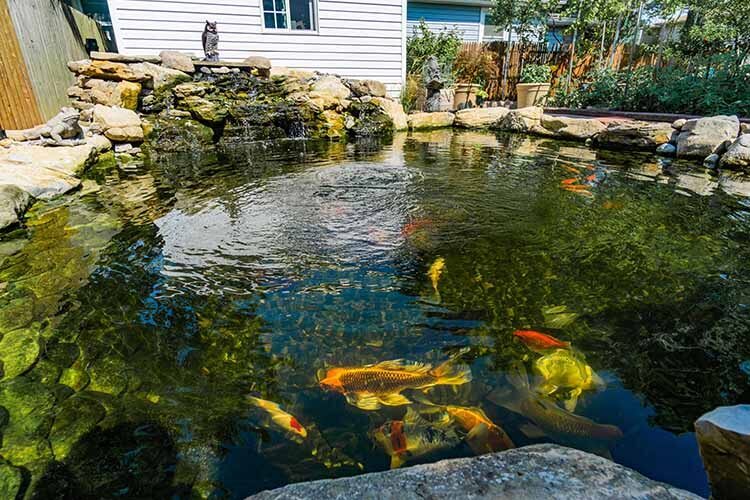
Fitz's Fish Ponds supports koi keepers across New Jersey, New York and Pennsylvania, from choosing fish to building and caring for the pond they live in. Browse our Japanese koi, explore custom pond construction and professional pond maintenance, or visit one of our retail locations. Have a question about a variety? Contact us online or call (908) 420-9908.
| Hours | |
|---|---|
| sunday | 10:00 AM - 4:00 PM |
| monday | Closed |
| tuesday | 10:00 AM - 5:00 PM |
| wednesday | 10:00 AM - 5:00 PM |
| thursday | 10:00 AM - 5:00 PM |
| friday | 10:00 AM - 5:00 PM |
| saturday | 10:00 AM - 5:00 PM |
| Hours | |
|---|---|
| sunday | 10:00 AM - 5:00 PM |
| monday | Closed |
| tuesday | 11:00 AM - 6:00 PM |
| wednesday | 11:00 AM - 6:00 PM |
| thursday | 11:00 AM - 6:00 PM |
| friday | 11:00 AM - 6:00 PM |
| saturday | 10:00 AM - 5:00 PM |
| Hours | |
|---|---|
| sunday | Closed |
| monday | 10:00 AM - 4:00 PM |
| tuesday | 10:00 AM - 4:00 PM |
| wednesday | 10:00 AM - 4:00 PM |
| thursday | 10:00 AM - 4:00 PM |
| friday | 10:00 AM - 4:00 PM |
| saturday | Closed |
| Hours | |
|---|---|
| sunday | 10:00 AM - 4:00 PM |
| monday | Closed |
| tuesday | 10:00 AM - 5:00 PM |
| wednesday | 10:00 AM - 5:00 PM |
| thursday | 10:00 AM - 5:00 PM |
| friday | 10:00 AM - 5:00 PM |
| saturday | 10:00 AM - 5:00 PM |
| Hours | |
|---|---|
| sunday | Closed |
| monday | Closed |
| tuesday | 10:00 AM - 5:00 PM |
| wednesday | 10:00 AM - 5:00 PM |
| thursday | 10:00 AM - 5:00 PM |
| friday | 10:00 AM - 5:00 PM |
| saturday | 10:00 AM - 5:00 PM |
| Hours | |
|---|---|
| Sunday | Closed |
| Monday | Closed |
| Tuesday | 10:00 AM - 5:00 PM |
| Wednesday | 10:00 AM - 5:00 PM |
| Thursday | 10:00 AM - 5:00 PM |
| Friday | 10:00 AM - 5:00 PM |
| Saturday | 10:00 AM - 5:00 PM |
| Hours | |
|---|---|
| Sunday | 10:00 AM - 4:00 PM |
| Monday | Closed |
| Tuesday | 10:00 AM - 5:00 PM |
| Wednesday | 10:00 AM - 5:00 PM |
| Thursday | 10:00 AM - 5:00 PM |
| Friday | 10:00 AM - 5:00 PM |
| Saturday | 10:00 AM - 5:00 PM |